 OutdoorStats
The Zoo Cougar: A Streamer With a Mallard Flank Wing
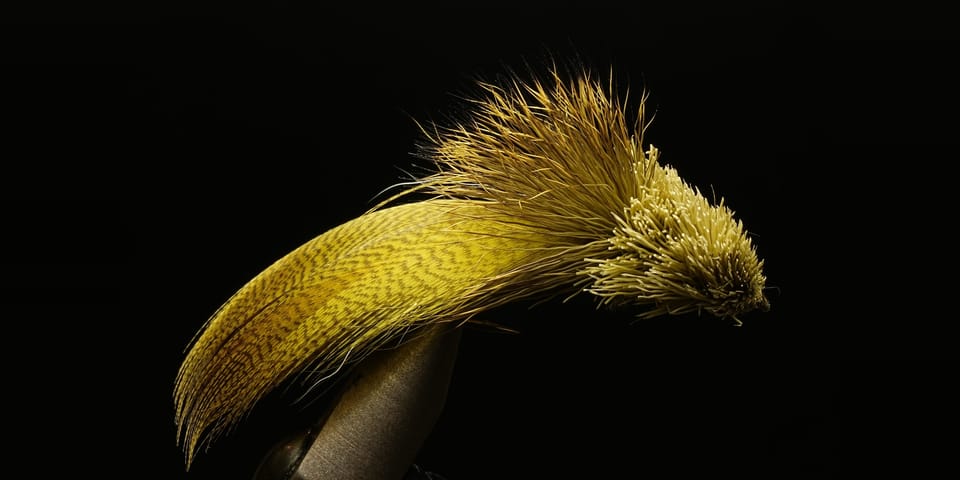
The Zoo Cougar is Kelly Galloup's sculpin streamer: a spun deer-hair head and collar, with two mallard flank feathers laid over the top as the wing.
What it imitates
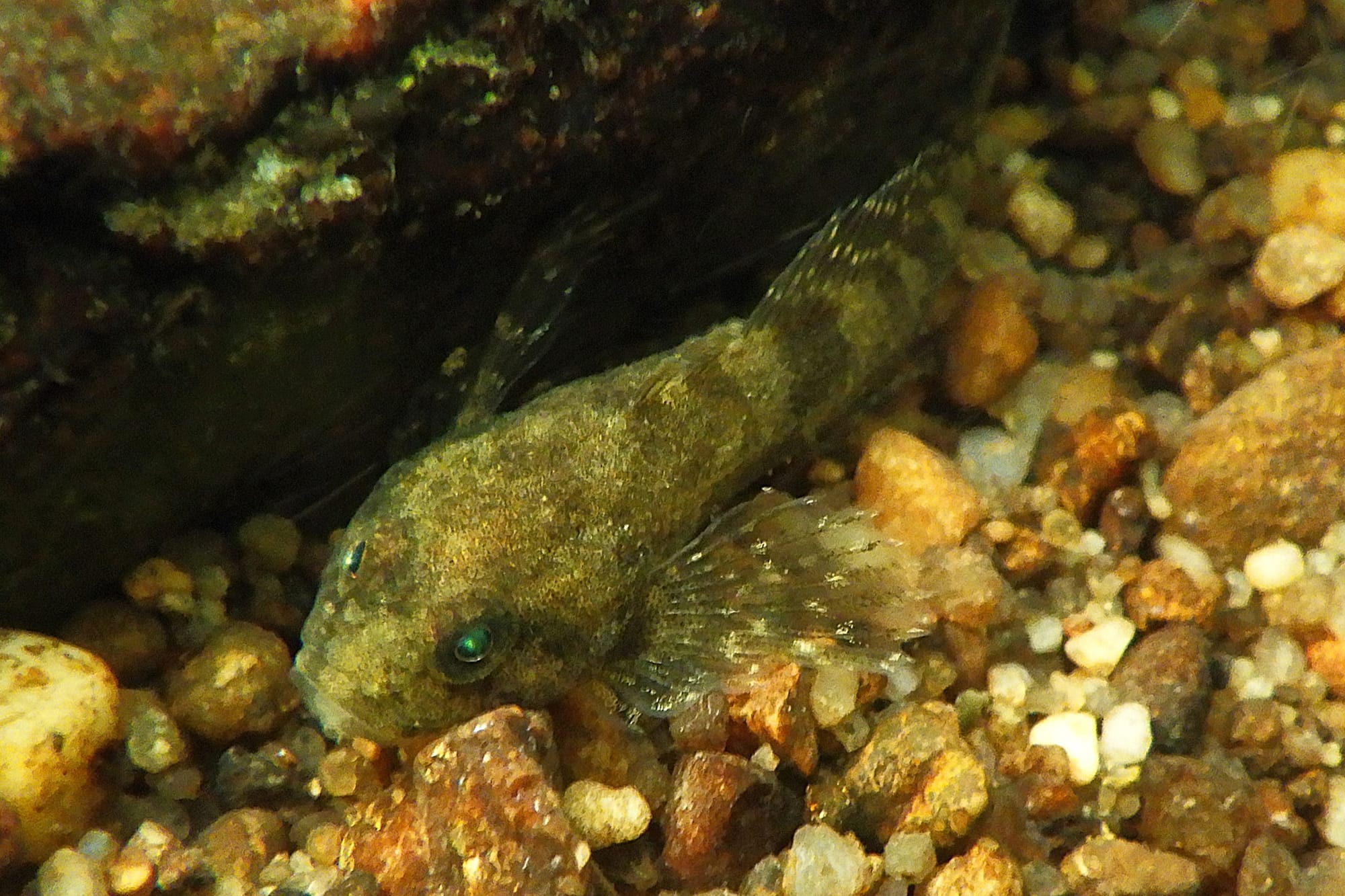
Sculpins are small bottom fish that live under the rocks of most trout rivers. They have no swim bladder, so they don't hover the way a minnow does. A sculpin sits on the bottom propped on its wide pectoral fins, then kicks off in a short burst and drops straight back down a few feet away. Most of the fish is head: broad and flat, with a mouth nearly as wide.
The Zoo Cougar copies both things. The trimmed deer-hair head gives it the sculpin's wide, blunt front end. And because the fly floats on its own, a sinking line pulls it down: strip and it darts along near the bottom, pause and it lifts and settles, the same stop-and-go a sculpin makes when it moves between rocks.
Where the mallard goes
The over-wing is two mallard flank feathers, dyed yellow here, tied on top of the fly with their tips past the hook bend. The barring on the feathers gives the fly the mottled back a sculpin uses to disappear against the gravel.
Flank feathers come from a drake mallard's sides, under the folded wing. Each drake carries a handful of good ones. Wide, straight feathers work best. Pick two of the same size and shape so the wing sits straight instead of twisting to one side. For what else to keep from a duck, see tying flies with feathers from the ducks and pheasants you shoot.
The rest of the fly
The head is deer hair, spun, packed tight and trimmed to a wedge that's flat on the bottom. Don't add weight: the floating head is what makes it swim.
How to fish it
Use a sinking line or sink tip with a short leader, 3 to 4 feet of 0X or 1X. The short leader keeps the floating fly close to the line, so it rides just above the bottom instead of rising off it. Cast toward the bank or across a run, let it sink for a few seconds, then strip it back in short, sharp pulls with pauses between them. Work deep runs, undercut banks and the tailouts of pools. It's best in low light: early, late, on cloudy days, or when the water is up and a little off-color.