 OutdoorStats
First-Time California Refuge Hunt: What to Expect
Your first hunt at a California wildlife area starts in a check station parking lot, in the dark, two hours before anyone can shoot. Here's how the day runs, the rules that catch new hunters, and what five seasons of check-station results say you'll bring home.
This post is about the hunt day itself. It assumes you already have a way in: a reservation, a lottery number, or a place on the sweat line. If you don't, start with how to get on a California wildlife area. If you still need a license, validations and a hunting pass, start with how to go duck hunting in California.
The night before
Pack the paperwork first. At check-in you'll show your hunting license, your duck validation and federal duck stamp, your HIP validation, your hunting pass and a photo ID. Hunting passes aren't sold at the check station. Buy yours ahead of time.
Then look up two times for your date and area:
- Shoot time. CDFW publishes it for every day of the season in its Northern California and Southern California shooting time tables.
- Check-in time. Each area calls reservations at its own time. CDFW's Waterfowl Reservation Information table lists them.
Get your shells sorted at home. Wildlife areas have rules about what you can carry that most other hunting doesn't:
| Rule | Where it applies |
|---|---|
| No more than 25 shotshells on you in the field | Every Type A wildlife area during waterfowl season |
| Non-toxic shot only, no larger than T in steel or BB in other non-toxic shot | CDFW wildlife areas (non-toxic is required for all hunting in California) |
| 12 gauge or smaller | Type A and Type B wildlife areas |
| Gun holds no more than 3 shells | All waterfowl hunting (federal rule) |
Count out your 25 before you leave the truck.
Everything you carry in comes back out the same day: decoys, a stool or blind bag, a portable blind. You can cut non-woody vegetation like tules to brush up a temporary blind, but you can't build a structure. Bring a headlamp, waders and more layers than you think you need.
Many areas let you sleep in the check station lot the night before a shoot day, in a vehicle or trailer. At the federal refuges in the Sacramento Valley (Sacramento, Delevan, Colusa and Sutter), tents aren't allowed.
Arriving in the dark
Here's what the morning looks like on a Saturday in mid-December in the Sacramento Valley, where shoot time is 6:45 a.m.:
| Time | What happens |
|---|---|
| About 4:00 | You pull into the check station lot and get in line |
| 4:15–4:45 | Staff start calling reservation holders in number order, 2 to 2½ hours before shoot time |
| 5:15–5:45 | Reservations that haven't checked in expire, 1 to 1½ hours before shoot time depending on the area |
| After that | Lottery numbers, then the sweat line |
| 6:45 | Shoot time: half an hour before sunrise |
| 4:46 p.m. | Shooting ends at sunset |
The exact times shift by area and by date. Freitas reservation holders at San Luis check in between 2 and 3 a.m., and San Jacinto reservations expire at 3 a.m. Check your area's line in the reservation table.
Two rules apply the moment you park. Guns stay unloaded in parking lots and at the check station. Dogs stay on a leash shorter than ten feet until you're out in the field.
The lot itself is the best orientation you'll get. People make coffee on tailgates and trade reports on which units had birds. If you're new, say so. Most hunters will tell you more than you can remember.
Checking in
When your number is called, walk up with your party and your paperwork. Staff check your license and validations, take your hunting pass and give you an entry permit. That permit goes with you into the field, and it has to come back to the check station when you leave.
Most reservations cover two adults, and each adult can bring up to two junior hunters or non-shooting companions. A few areas allow more: the Sacramento Valley refuges allow four people per reservation, and Wister allows up to six.
Grizzly Island works differently. Reservation numbers there don't set the order of entry. Ask at the check station how the line works before you assume your low number puts you first.
Picking a spot
This is the part nobody explains in advance. You choose where you'll hunt at the check station window, and the earlier your number, the more choices are still open. Depending on the area, you'll be choosing one of three things:
| What you pick | How it works | Examples |
|---|---|---|
| An assigned blind | You hunt from that blind and leave it only to set decoys, retrieve birds or walk to and from parking | Kern spaced blinds, Merced, Kesterson, Wister |
| An assigned pond or site | You stay inside that pond's boundary, or within 100 feet of your site | Colusa, Sutter, Sacramento, Delevan |
| A free-roam zone | You park in a lot with a set number of hunters and walk wherever you want inside its boundary | Free roam at Los Banos, Yolo and San Luis |
Many areas mix two or three of these. Download the area's hunt map ahead of time, and have a first choice and a backup ready before you reach the window. The hunters behind you are waiting.
If you're late in the order, ask the staff what's left and where birds were working yesterday. They see every entry permit that comes back.
Shoot time
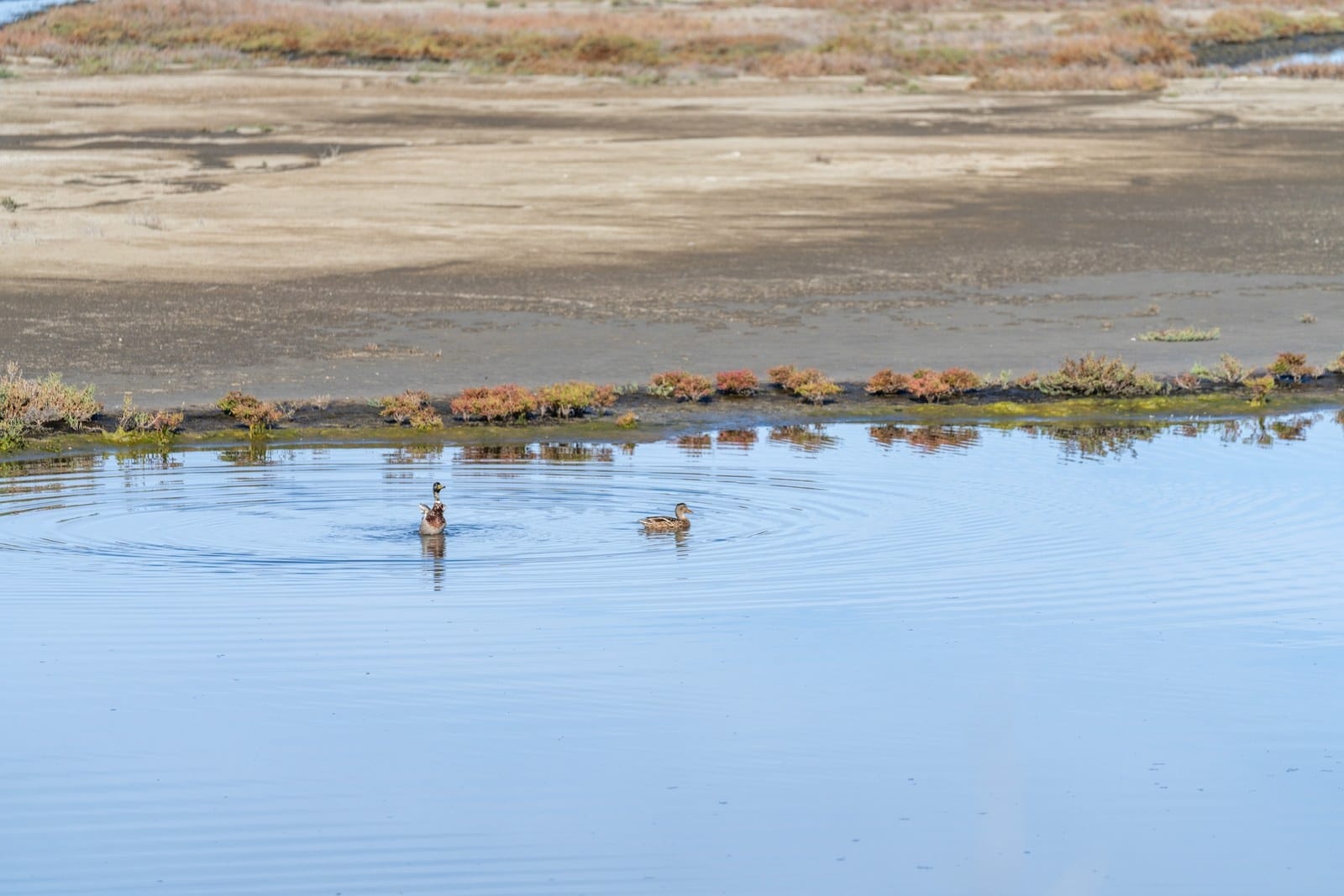
Shooting opens half an hour before sunrise and ends at sunset. You'll hear someone shoot early. Don't be that hunter. A couple of areas also stop early: waterfowl shooting at Merced ends at noon.
Bag limits change most seasons, so check CDFW's current waterfowl regulations before you go. Inside the daily limit, some species have their own, smaller limits: hen mallards, pintail, canvasback, redhead and scaup among them. Scaup season often opens later than the rest.
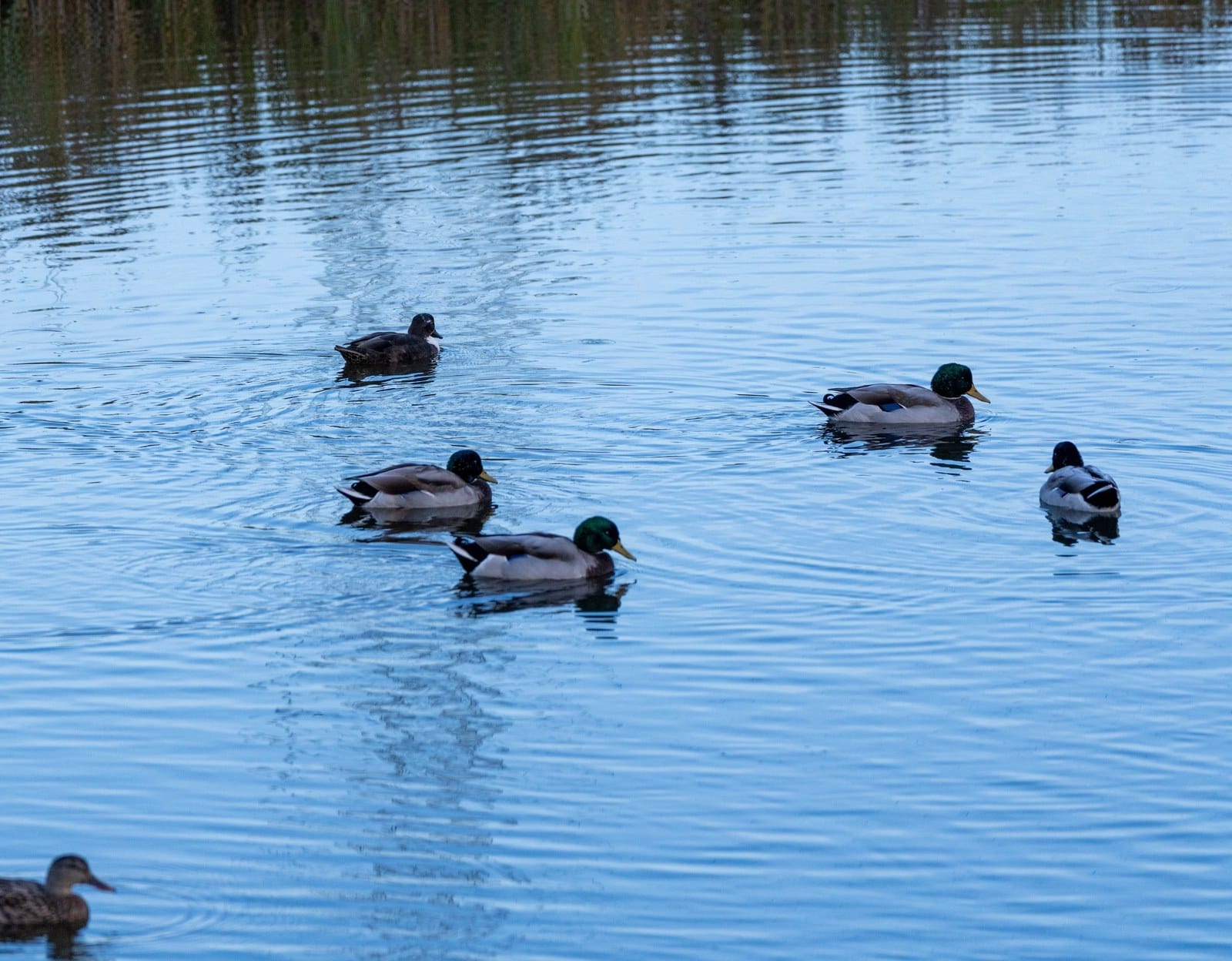
That means you need to know what you're shooting before you pull the trigger. A hen mallard looks a lot like a hen gadwall or pintail in low light. If you can't tell, let it go.
Geese are a small part of the day for most hunters. Over the last five seasons the average hunter checked out 0.14 geese. Sacramento (0.54 per hunter) and Merced (0.47) are the exceptions.
Etiquette
- Stay where you were assigned. In a blind or pond area, that's a rule. In free roam, it means giving other parties room. Don't set up on top of someone because their spot looks better.
- Don't shoot at birds out of range. Long shots rarely kill, and they flare birds that were working the hunters next to you.
- Chase your cripples. Even the strictest assigned-blind rules let you leave the blind to retrieve a downed bird.
- Pick up your empties. Where there's no trash can, you carry out your trash, and the rules list spent shells by name.
- Leave the alcohol in the truck. It's banned in the field.
Dogs
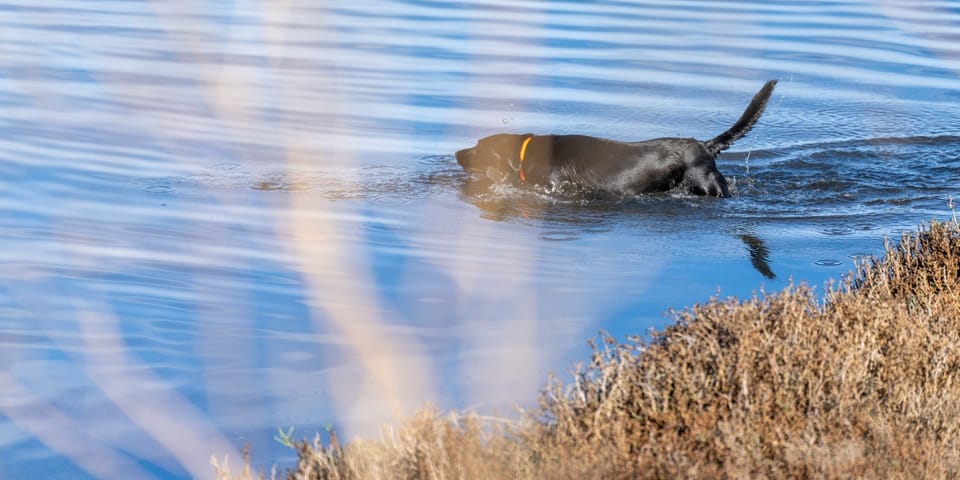
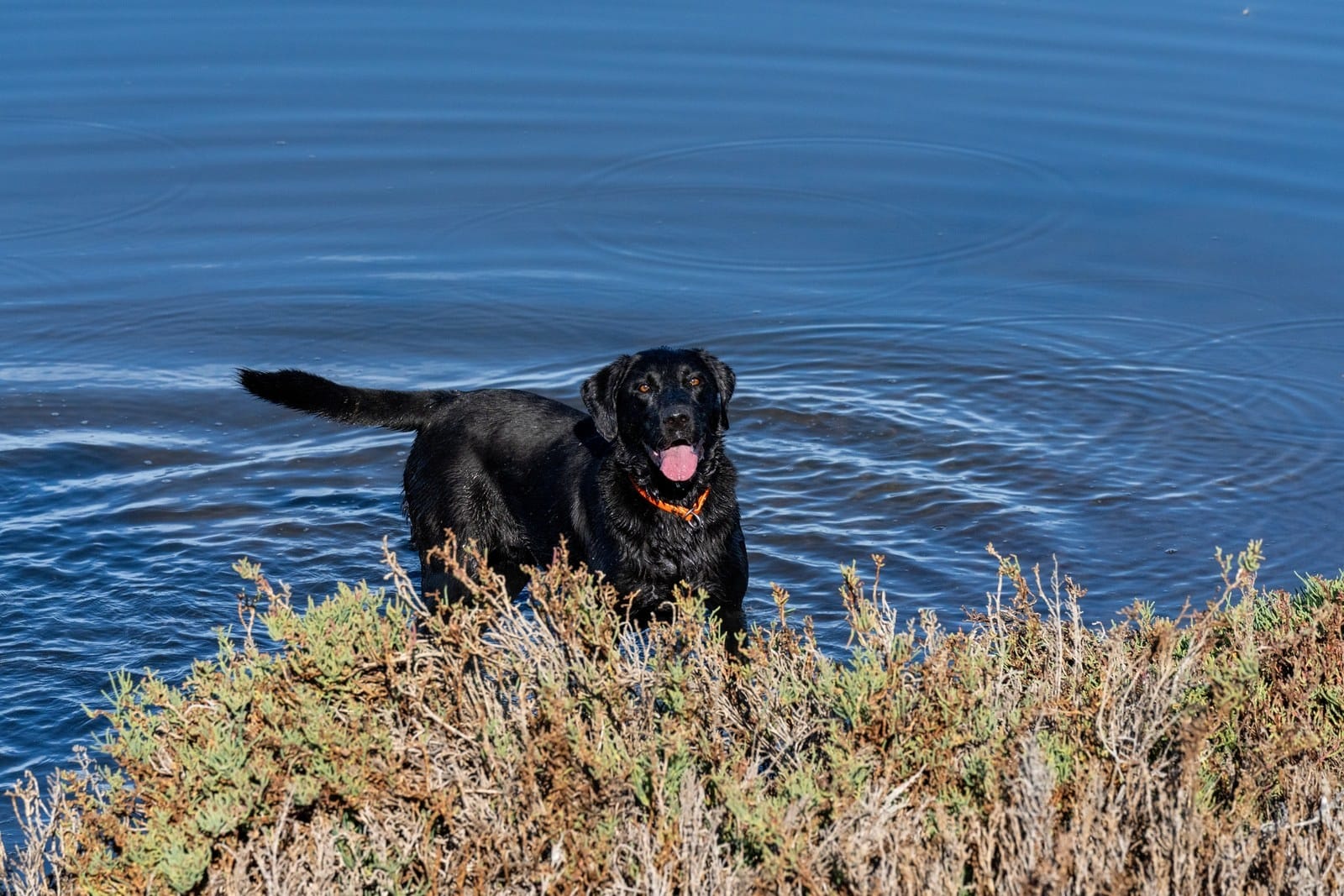
A retriever is welcome on the marsh and will find birds you won't. Out in the field, dogs can be used to hunt. In the lot and at the check station, they're on a leash. Grizzly Island and Upper Butte Basin go further: during waterfowl season, dogs are allowed only for hunting.
Checking out
When you're done, whether that's 8 a.m. or sunset, drive back to the check station, turn in your entry permit and report what you shot by species. Those check-out counts are where the harvest numbers in this post come from.
Every entry permit has to come back, even if you didn't fire a shot. At the Sacramento Valley refuges you can't keep your permit or stay on the refuge more than an hour and a half after sunset.
Checking out early isn't just about you. Every party that leaves opens a spot for someone on the sweat line. If you're done, go. Someone in the parking lot has been waiting since 4 a.m.
Where to go first
The areas with the best hunting are also the hardest to draw. Kern averaged 3.19 ducks per hunter, among the best in the state, but about 1 in 130 applications got in. Little Dry Creek was 1 in 191.
For a first hunt, you want an area you can actually draw, with birds on most days. These six are 1 in 14 or better, and each checks in at least 50 hunters a day:
| Area | Odds of drawing a reservation | Hunters per day | Ducks per hunter | Days averaging under 1 duck |
|---|---|---|---|---|
| Grizzly Island | 1 in 2 | 123 | 1.98 | 21% |
| Mendota | 1 in 6 | 192 | 2.18 | 33% |
| Volta | 1 in 8 | 65 | 2.44 | 31% |
| Wister | 1 in 11 | 122 | 1.82 | 26% |
| Gray Lodge | 1 in 14 | 171 | 1.63 | 33% |
| San Luis | 1 in 14 | 68 | 1.91 | 23% |
| All areas | 1 in 24 | 1.97 | 33% |
Volta and Mendota are the standouts: easy to draw and better than average once you're in. Grizzly Island is the easiest draw in the state and hunts about average.
The Freitas units at San Luis are easier to draw than any of these, but they're hunted by boat, with check-in between 2 and 3 a.m. That's a lot to take on for a first hunt.
For draw odds at every area, by day of week and time of season, see the easiest days to get a waterfowl reservation. And if you can hunt midweek, Wednesday hunts as well as Saturday with far fewer people.
Takeaways
- Be in line before reservations are called. That's 2 to 2½ hours before shoot time. A reservation you don't claim expires an hour or so before shoot time.
- Count your shells. 25 at most, non-toxic, from a 12 gauge or smaller holding no more than three.
- Know your area's system before you reach the window. Blind, pond or free roam, plus a first choice and a backup from the hunt map.
- Know your ducks. Hen mallards and several other species have their own limits inside the daily bag. Check the current regulations.
- Expect about two ducks. That's the average day.
- Start where you can draw. Grizzly Island, Mendota and Volta are 1 in 8 or better and hunt at or above average.
- Leave it clean and check out. Pack out your gear and empties, turn in your permit, and free your spot for the sweat line.
Source: 5,805 hunt-days across 37 CDFW and federal hunt areas, 2021–22 to 2025–26 seasons, regular hunt days only (no youth or veteran hunts). Ducks per hunter is ducks checked out divided by hunters checked in. Draw odds are reservations drawn divided by applications over the same seasons. Rules are from California Code of Regulations Title 14, sections 550, 551 and 552, CDFW's 2026–27 waterfowl regulations and its 2026–27 Northern California shooting time table (Sacramento column, Dec. 12, 2026). Rules change by area and by season: check the current regulations and your area's check station before you go.
See all 40 areas on the interactive map.